A Fertile Morning in RESILIENCE’s Greenhouse
The event "Religion at the Greenhouse. Exploring the Dynamics and Growth of RESILIENCE" marked the transition to the next phase of the research infrastructure. The morning session proved to be fertile.
Keynote Lecture
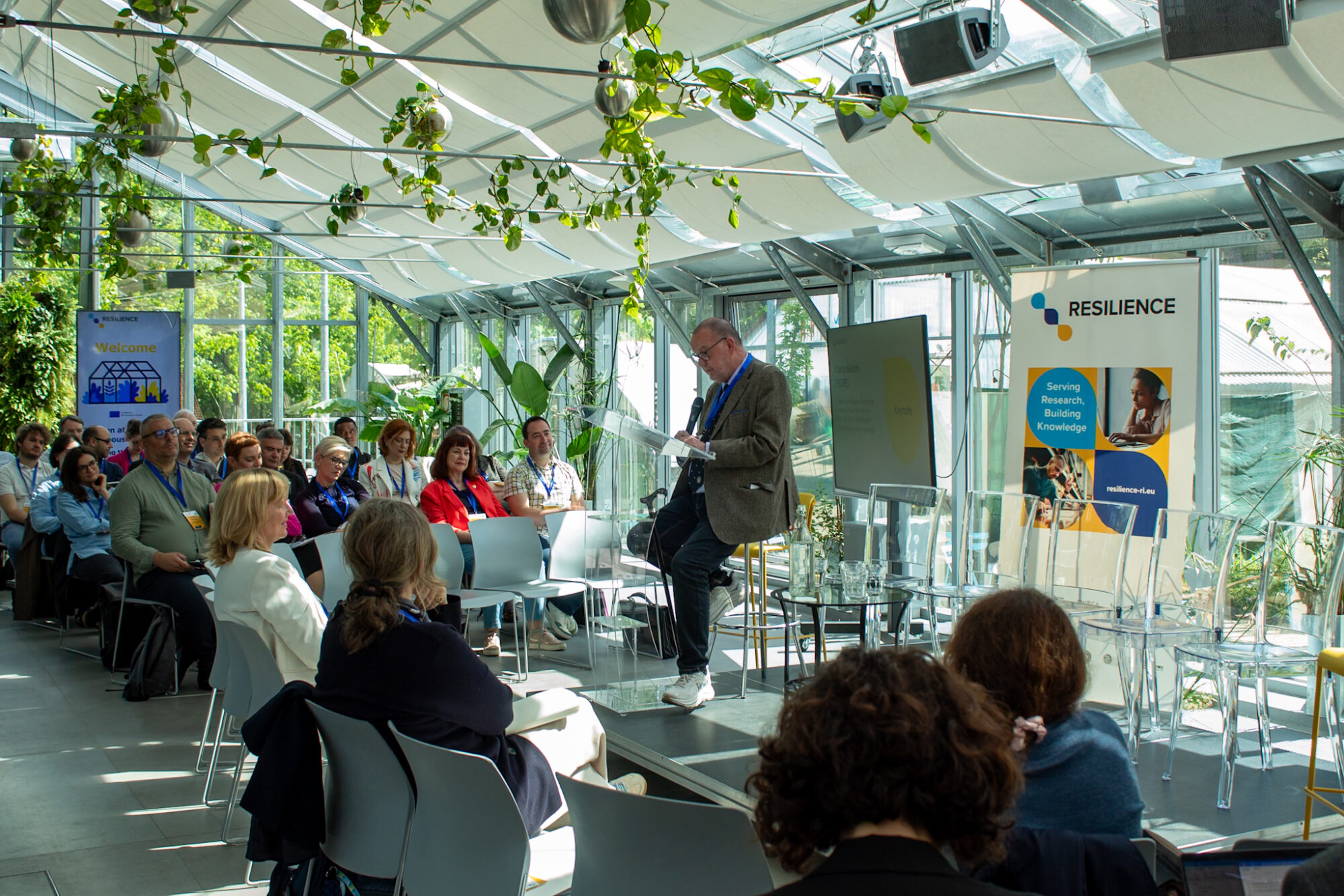
Alberto Melloni (FSCIRE), opened the event with describing the present state of the study on religions in relation to the possibilities and challenges of AI and with presenting RESILIENCE as a research infrastructure that gives religious studies an essential voice in this time of hate. According to Melloni ‘historical-religious knowledge performs a specific function that positions it … among the proactive and validating actors in the first phase of the use of innovative technologies.’ This use of the newest technologies can help research on religion even better to serve analyzing and deconstructing global processes of hate and aggression.
Read the full text of the keynote here.
Societal Relevance
The roundtable: Research Infrastructures: Gaining Insights – Promoting Growth in which six experts from various disciplines (Lorenzo Baraldi, University of Modena and Reggio Emilia; Silvia Chiodi, Institute for European Intellectual Lexicon and History of Ideas, Italian National Council of Research; Angelika Laterza, Research and internationalisation of companies, Emilia-Romagna Region); Costanza Miliani, CNR ISPC and National Coordinator of E-RIHS Italian Node; Rita Monticelli, City of Bologna: City Council Member for Human Rights, Interreligious and Intercultural Dialogue; and Davide Salomini, National Center HPC, Big Data and Quantum Computing) shared their insights on the possibilities and challenges of RESILIENCE and in a way picked up Alberto Melloni’s topic as they stressed the direct societal relevance of RESILIENCE. Solid and reliable research is needed in a society with increasing issues of conflict.
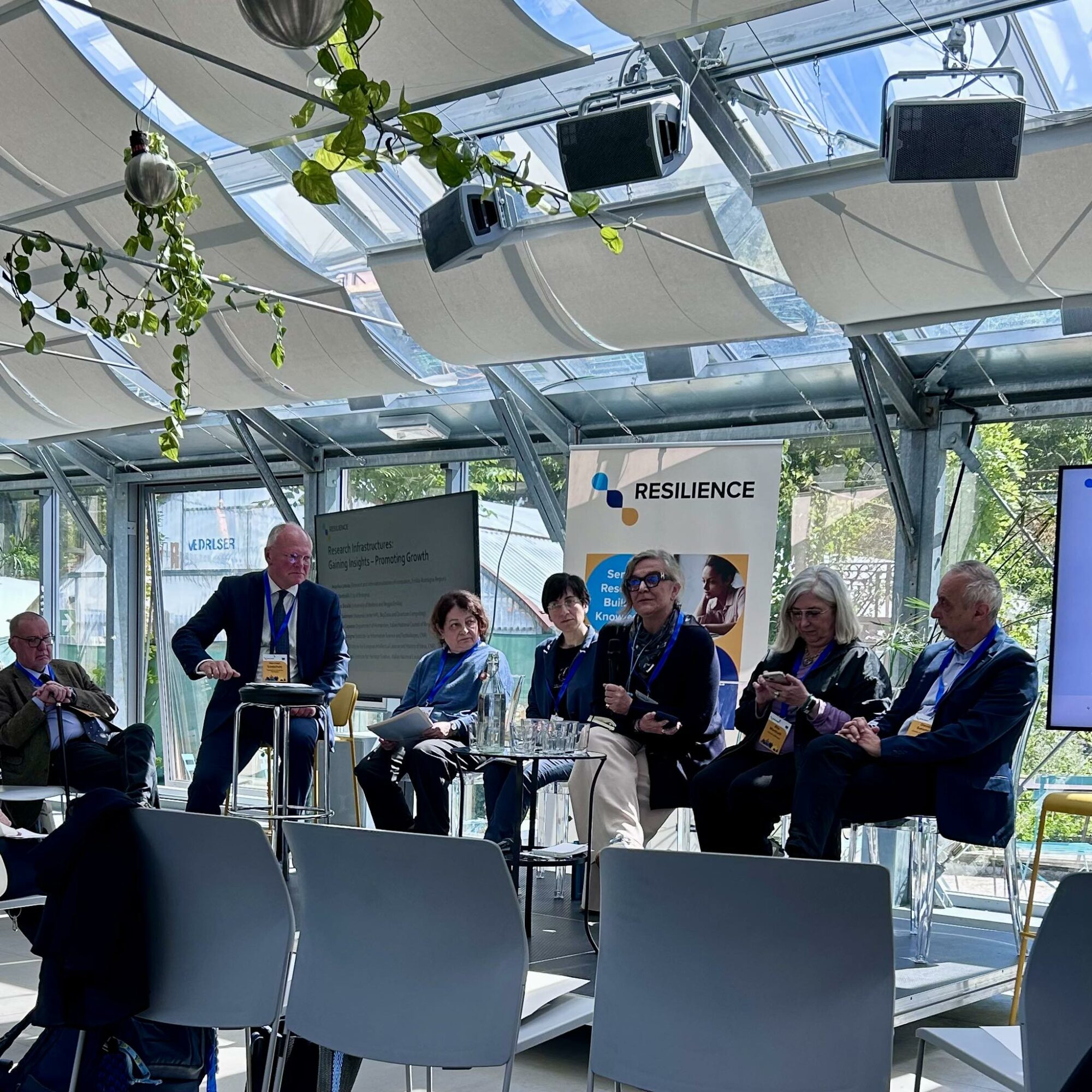
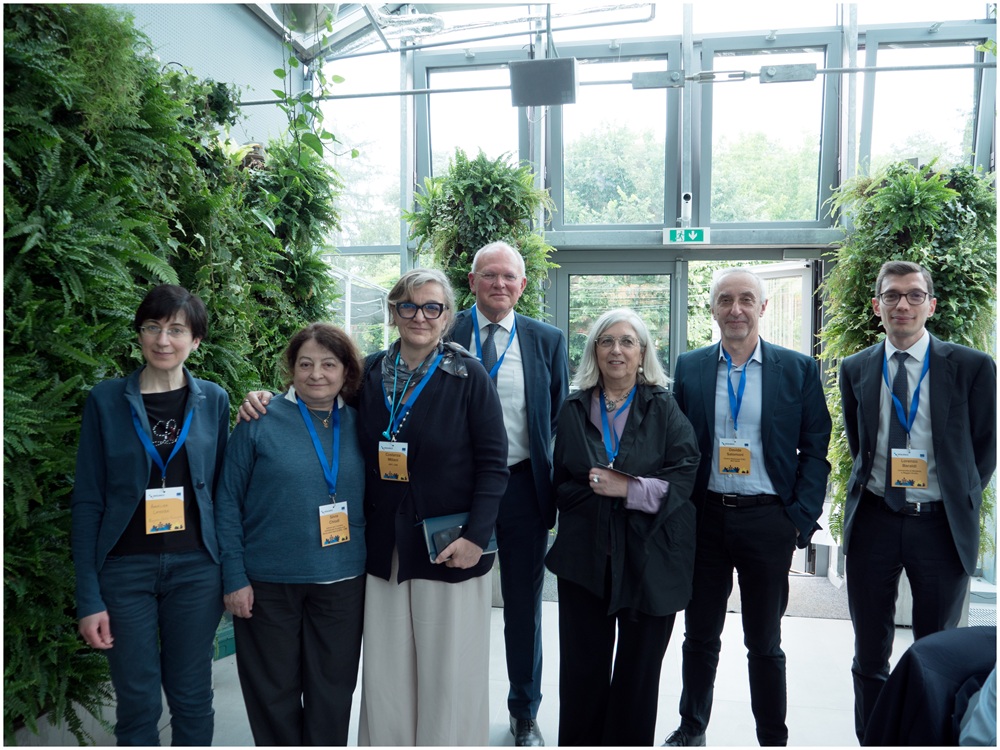
Roundtable participants, left to right: Angelika Laterza, Silvia Chiodi, Costanza Miliani, Herman Selderhuis, Rita Monticelli, Davide Salomini, Lorenza Baraldi
AI
Next to this a main item was the central place AI has taken in research and how AI can help connect better with other disciplines. Yet, there were also critical remarks on a too massive role of AI in research as well as on the danger of society and politics becoming the main agenda for research.
Both Melloni’s lecture and the perspectives of the roundtable led to a lively discussion resulting in at least this common opinion that RESILIENCE has a more than legitimate place in the landscape of research infrastructures and just needs to move on and develop further in its dynamic and flexible approach.