Building the Research Infrastructure: the Ecosystemic Approach
During the afternoon sessions of the event "Religion at the Greenhouse. Exploring the Dynamics and Growth of RESILIENCE" , experts from various fields explored diverse perspectives on RESILIENCE’s mission, examining how the research infrastructure can evolve to meaningfully impact academia, society, and policymaking.
Ecosystem
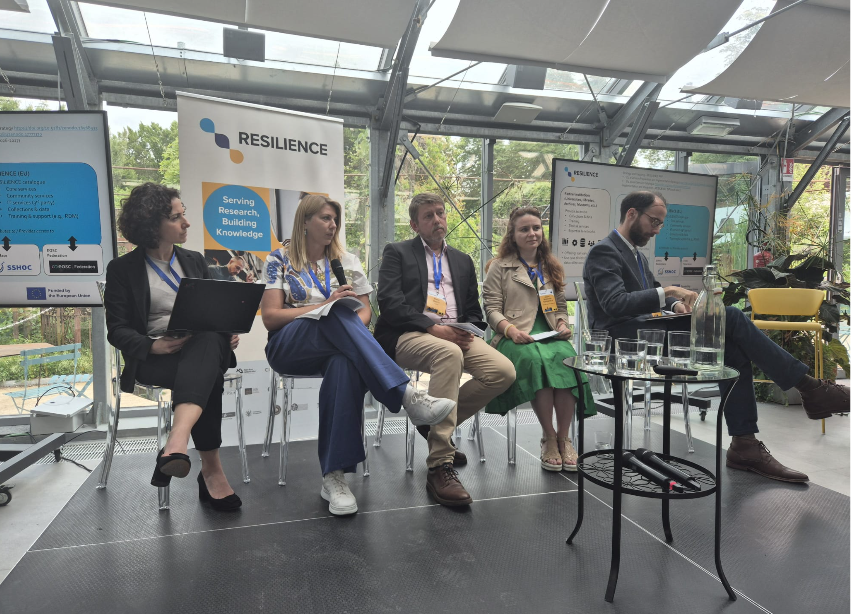
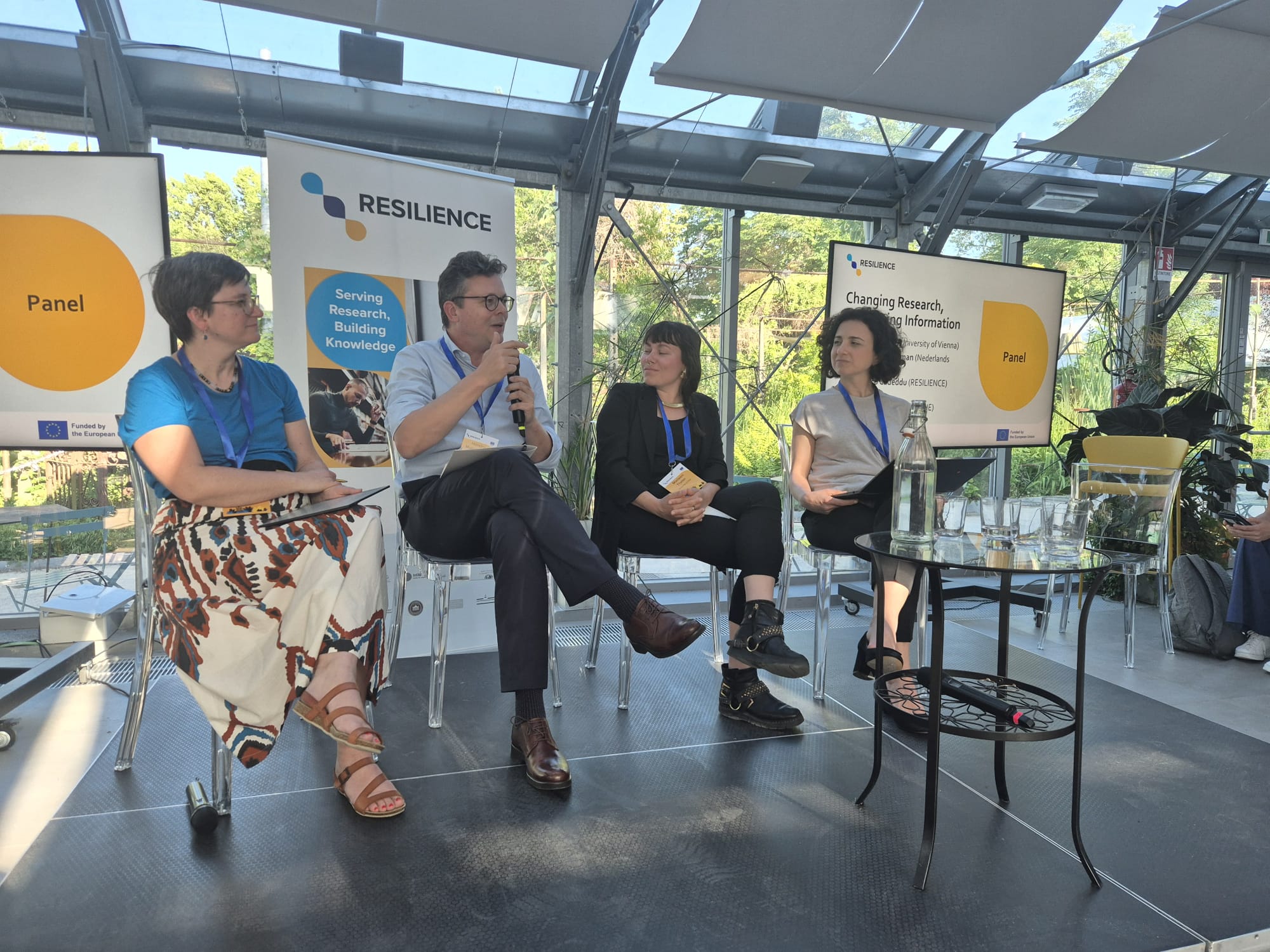
During the afternoon sessions, RESILIENCE was presented within its ideal framework—the ‘Greenhouse’ ecosystem. In this environment, researchers, functioning like bees through collaboration and profound interrelation, strive to transcend fragmentation and contemporary hostility. Four panels provided an opportunity for the various participants to share their views on different topics related to RESILIENCE’s mission and how the research infrastructure can evolve and have an impact on research, society and policy making.
By addressing religious illiteracy and establishing a federation of tools and data, a network of national nodes, EU infrastructures, and individual users, RESILIENCE aims to effectively meet the evolving needs of the scholarly community. As a metaphorical Greenhouse where diverse religious traditions and cultures flourish, RESILIENCE fosters new research directions.


Past, Presence and Future
It seeks to interpret the heritage of the past meaningfully for the present while proactively addressing future challenges. In an era dominated by misinformation, RESILIENCE provides the necessary authority to bypass superficial “buttonology” in favor of a reliable platform that promotes peaceful coexistence and scholarly cooperation. RESILIENCE serves as a nexus where research diversity is harmonized to benefit the researcher.
Unity in Diversity: A Guiding Principle
Guided by Professor A. Melloni’s principle that knowledge should serve to “prevent the violence of tomorrow” rather than mere profit, the initiative recognizes religion as a core element of identity. By fostering rigorous research and supporting the growth and sustainability of emerging researchers within this ecosystem, RESILIENCE upholds one core value: unity in diversity is the key to research.